 EN
EN  Bulgarian
 Greek
Greek
 Magyar
 Czech
Czech
 Deutsch
 Hrvatski
 Slovenšcina
 Polish
 Slovencina
What you will discover in this guide
- Why two pearls can look completely different
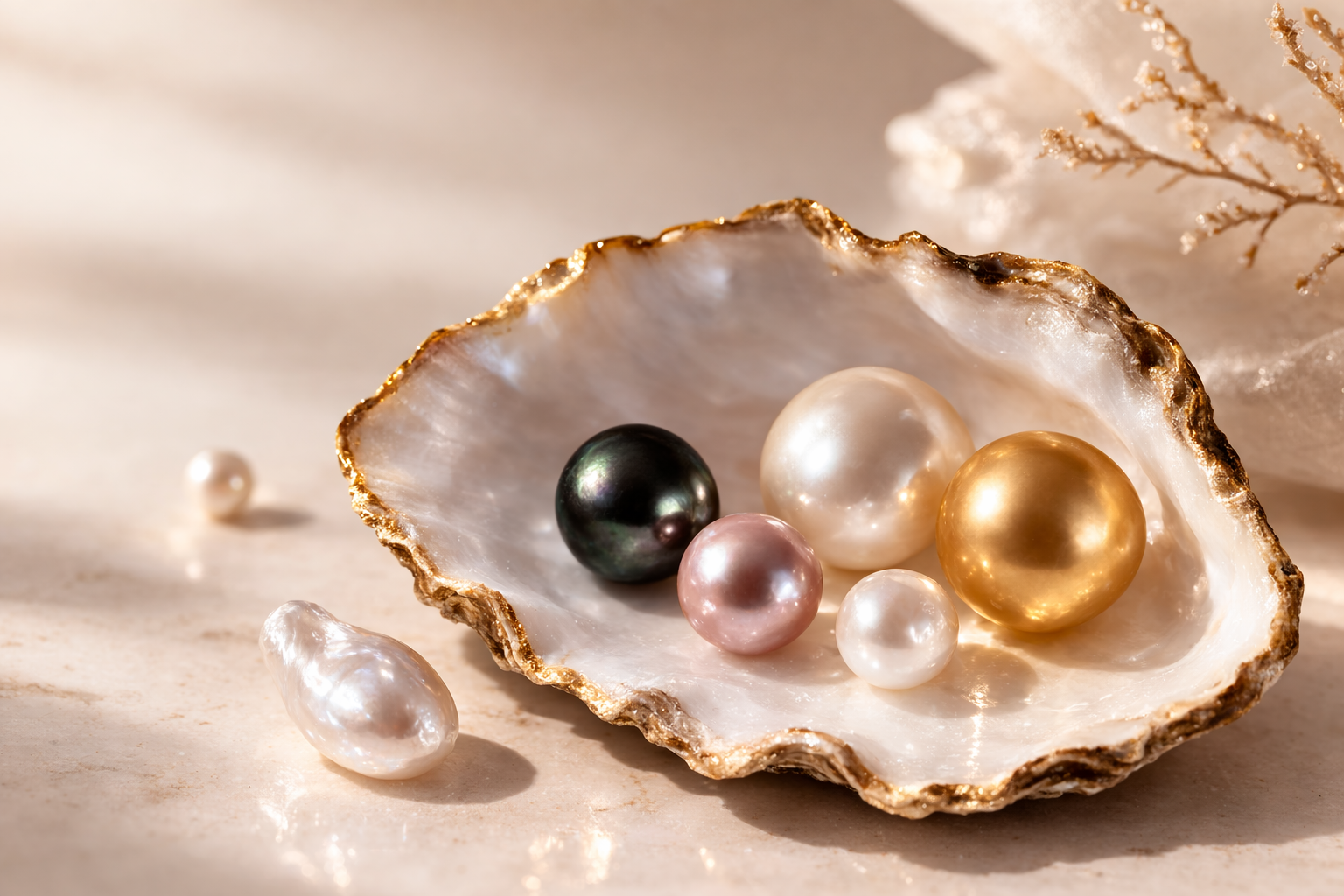
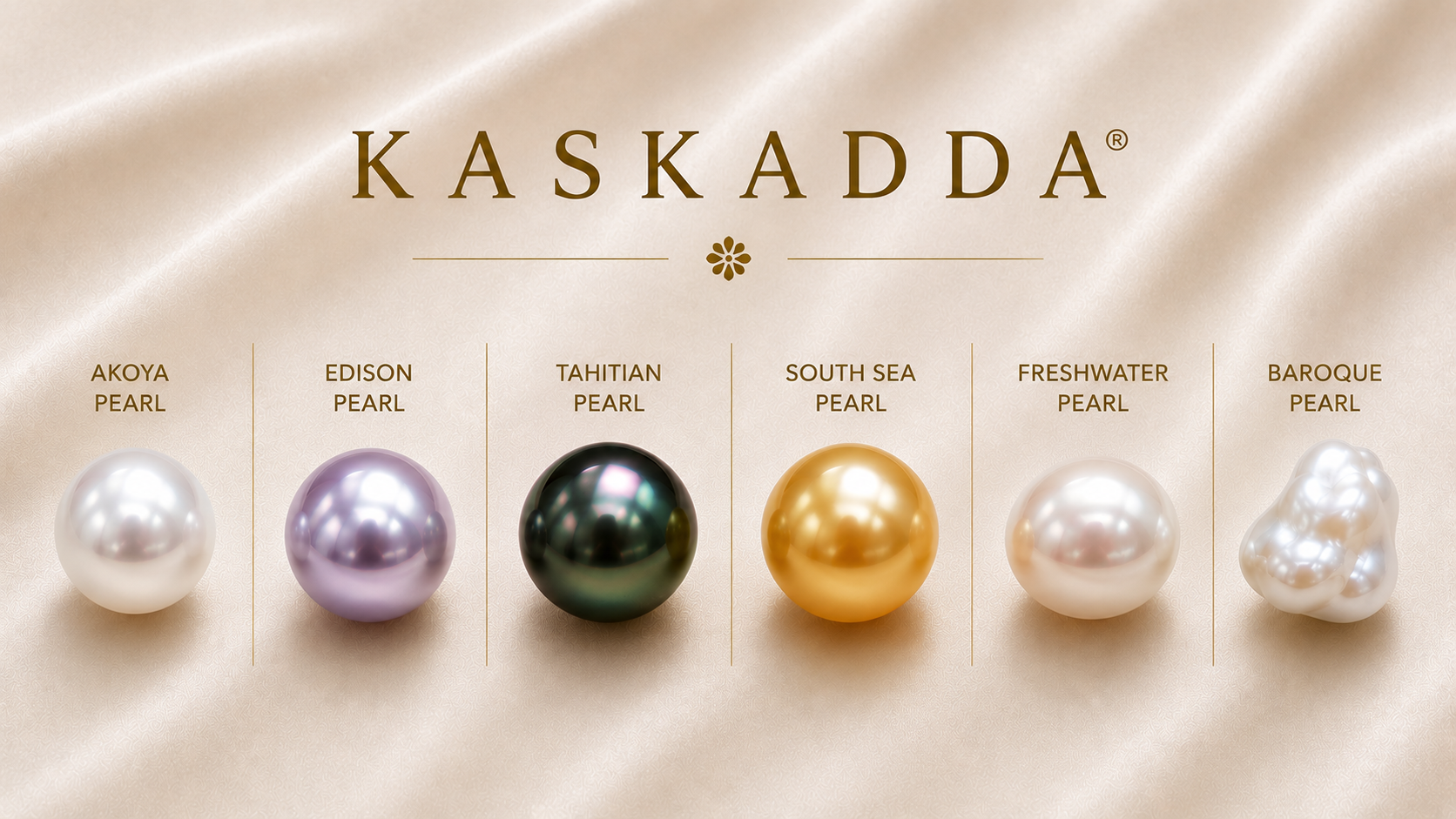
- The main types of natural cultured pearls
- Japanese Akoya pearls
- Edison pearls
- Tahitian pearls
- South Sea pearls
- Freshwater pearls
- Baroque pearls
- How long different types of pearls take to form
- How natural pearl quality is evaluated
- Pearl grading guide: from A to AAA+
- How luster changes the appearance of a pearl
- How to choose the right type of pearl
- Things many people only notice after wearing pearls
- Real comparisons between pearl types
- How the type of pearl changes the look of jewelry
Why two pearls can look completely different
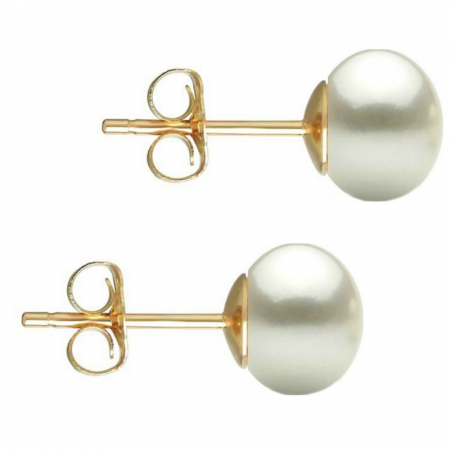
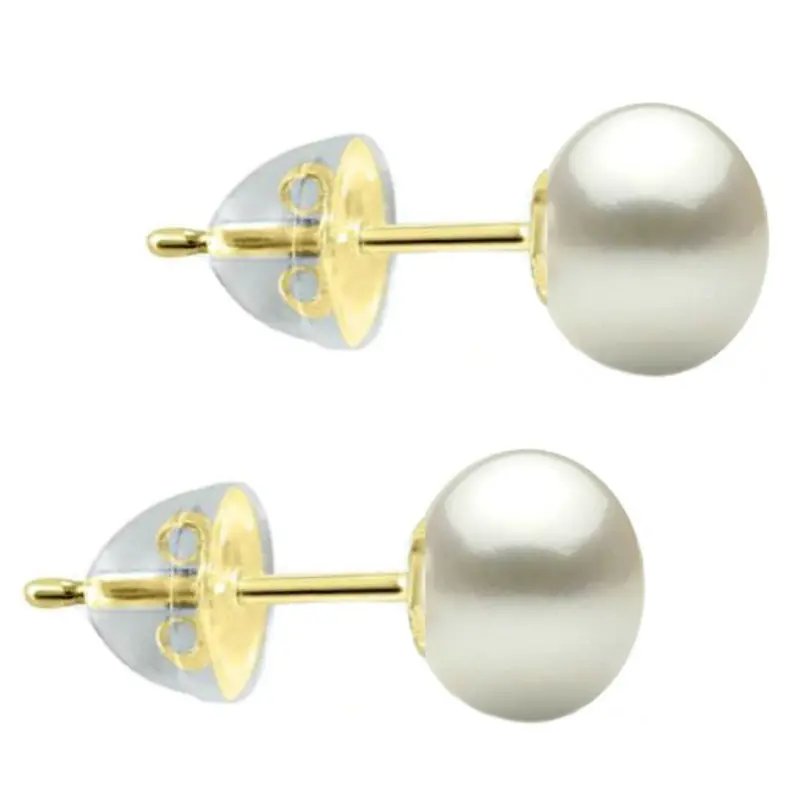
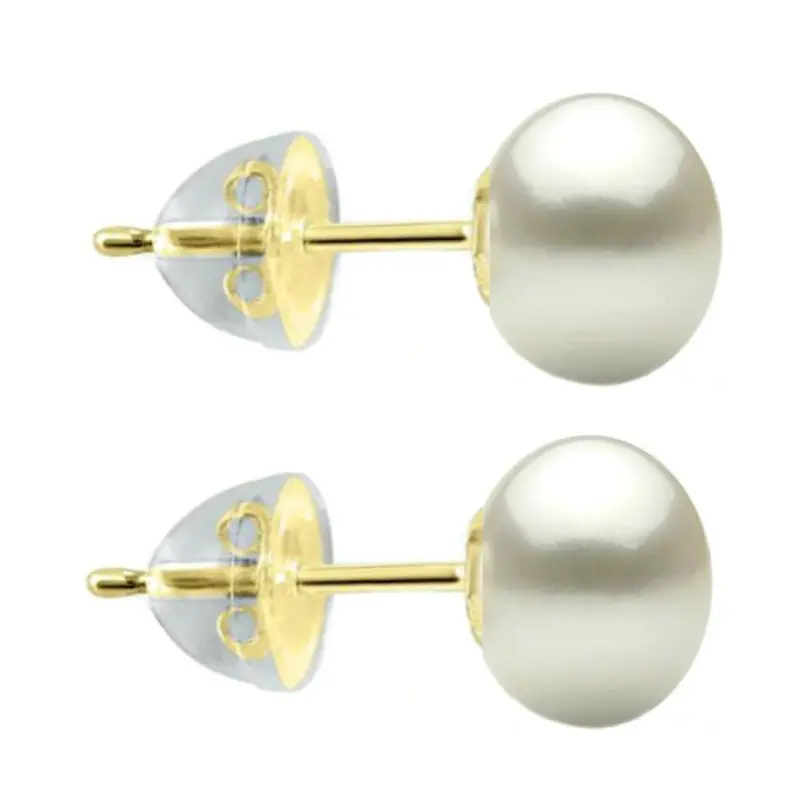
At first glance, many pearls seem similar. Especially in photographs. Two white, round pearls with the same size can appear almost identical when viewed quickly. In reality, however, the differences become noticeable immediately.
Some pearls have a very clear light, almost mirror-like. Others have a softer, more satin-like glow. Some pearls feel elegant and visually clean, while others have a more organic and expressive appearance. Some impress through symmetry, while others attract attention precisely because they are not perfect.
Very often, the difference does not come only from color or size. The type of pearl, the nacre thickness, the formation time, the surface and the way light reflects all matter enormously.
This is also why a pearl can look discreet in a photograph and spectacular when worn. Some pearls change dramatically in natural light. Others become more interesting when seen close to the skin or next to other pearls.
In recent years, the differences between pearl types have started to attract much more attention beyond the traditional jewelry world. Many people who previously searched simply for “pearl earrings” or “pearl necklace” have started paying attention to the actual pearl type: Akoya, Edison, Tahitian, South Sea or baroque.
And for good reason. Because every type of pearl communicates something different.
The main types of natural cultured pearls
Natural cultured pearls are not all the same and should not be compared using exactly the same criteria. Some are appreciated for their luster, others for their size, color or rarity. Some are preferred in classic pearl jewelry, while others are more popular in modern or statement pieces.
The best-known types are:
- Japanese Akoya pearls;
- Edison pearls;
- Tahitian pearls;
- South Sea pearls;
- freshwater pearls;
- baroque pearls.
Each category has its own visual personality. Some are very luminous and refined. Others have deeper reflections and changing colors. Some appear extremely balanced and elegant, while others have organic shapes that make every pearl unique.
In reality, the differences between them are much more visible than they appear in photographs.
Japanese Akoya pearls
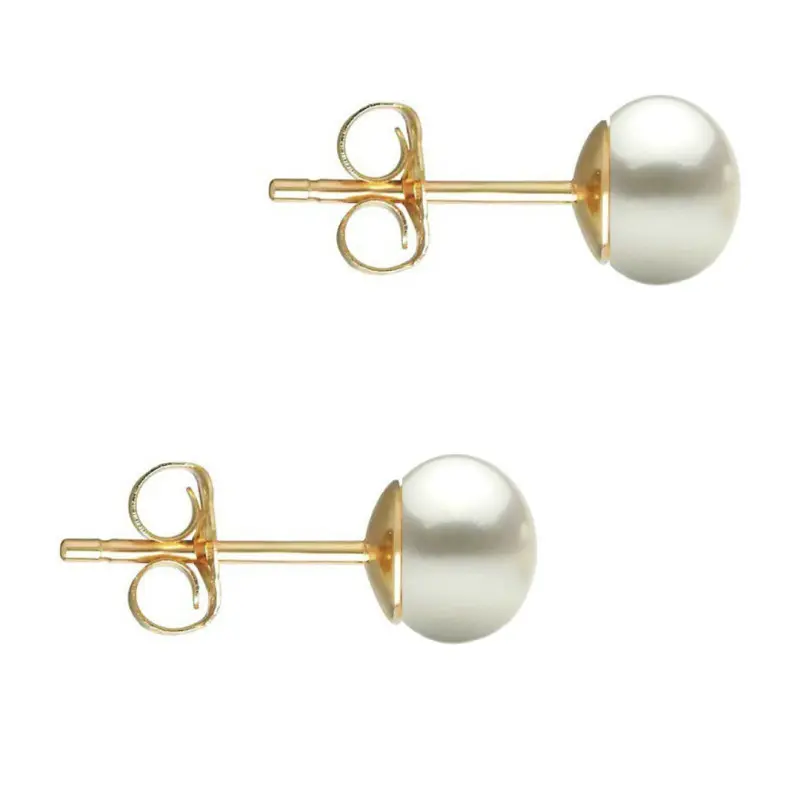
Akoya pearls are probably the closest to the classic image of an elegant pearl. Round, luminous and visually very clean, they are frequently associated with refined jewelry and understated elegance.
What impresses most about a good Akoya pearl is its luster. Not necessarily its size.
An Akoya pearl can be only 7 mm and still brighten the entire face beautifully when worn as earrings. The reflections are sharp and well-defined, completely changing the way the jewelry looks.
This is why many people who see an authentic Akoya pearl for the first time immediately notice that it “looks different”, even if they cannot explain exactly why.
How they look in real life
In natural light, Akoya pearls have a very clean appearance. They are not dramatic and not excessively bold. Their elegance comes mainly from the clarity of their reflections and their balance.
In earrings, they create a bright and very feminine effect. In necklaces, they offer a uniform and elegant line. They are the type of pearls that never feel excessive, whether worn at events or with simpler outfits.
Many people choose them precisely because they work beautifully in almost any context without appearing either too discreet or too heavy visually.
Luster and reflections
Akoya pearls are known for their intense luster and very sharp reflections. Sometimes, the surface of a high-quality Akoya pearl can reflect light almost like a mirror.
This type of luster makes the pearl feel alive. And it is one of the reasons why Akoya pearls remain among the most appreciated classic pearls.
In photographs, the luster is not always fully visible. Sometimes the difference only becomes obvious when the pearl moves in the light or is worn close to the skin.
Size and proportions
Akoya pearls are commonly found in sizes around 6–8 mm. Larger versions exist, but they are rarer and significantly more valuable.
Many people believe that a large pearl is automatically more elegant. In reality, proportion matters enormously. A 7 mm Akoya pearl with exceptional luster can look more refined than a larger pearl lacking depth or clean reflections.
Formation time
Akoya pearls usually have a shorter formation time compared to South Sea or Tahitian pearls. In many cases, the cultivation period is around 2 years.
This influences not only the size, but also the development of the nacre and the luster.
Japanese Akoya pearls — How they form and why they are difficult to obtain
Akoya pearls form inside saltwater oysters cultivated in marine environments where the water must remain extremely clean and stable. Even small changes in temperature or environmental conditions can influence the way the nacre develops. Although the cultivation period is not as long as with South Sea or Tahitian pearls, producing truly exceptional Akoya pearls is not simple at all. Many pearls do not become round enough, while others fail to develop the intense luster for which Akoya pearls are famous. This is exactly why pearls with sharp reflections and beautiful surfaces are much rarer than they seem when looking at a perfectly finished pearl necklace in a showcase.
What type of jewelry highlights Akoya pearls best
Akoya pearls are ideal for classic pearl earrings, elegant pearl necklaces and refined pearl sets. They are the type of pearls that work beautifully in simple jewelry without too many additional details.
In many cases, the pearl itself is enough.
Edison pearls
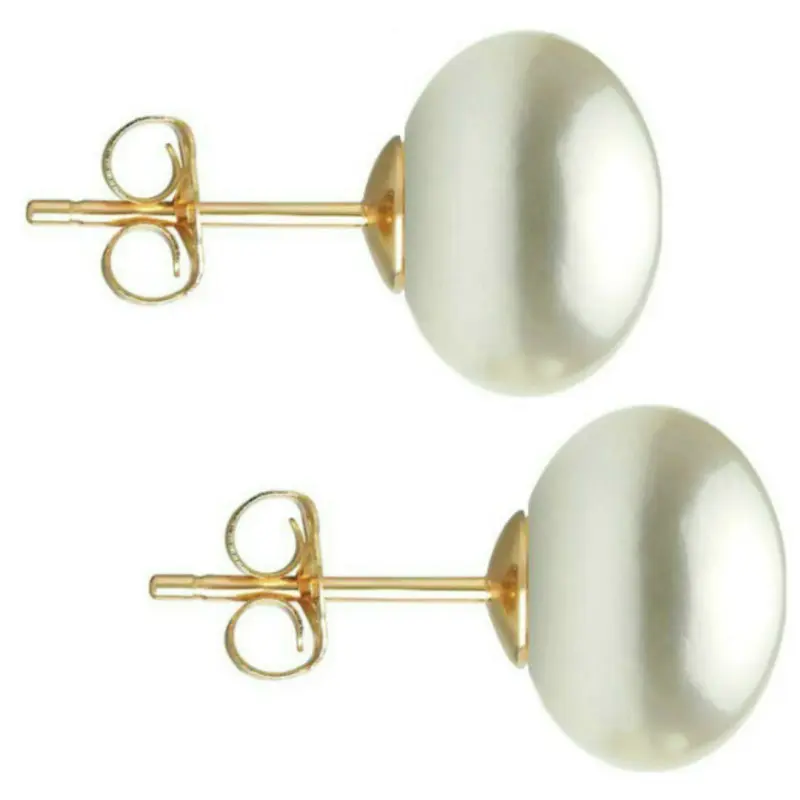
Edison pearls have a completely different personality. If Akoya pearls are about balance and clean light, Edison pearls are about volume, reflections and visual presence.
These pearls are large, expressive and highly noticeable. In many pieces of jewelry, they immediately become the focal point.
Edison pearls are also among the pearls that surprise people the most in real life. In photographs, they may appear simply “larger”. When worn, however, the effect is completely different.
Size changes perception dramatically
Edison pearls frequently reach 10–12 mm or even larger sizes. In earrings, the difference becomes visible immediately. In necklaces or pendants, a single pearl can define the entire piece.
Still, size is not the only important element. A large pearl without luster or depth can feel heavy and lifeless. With Edison pearls, it is the combination of volume and reflections that creates the real impact.
Colors and reflections
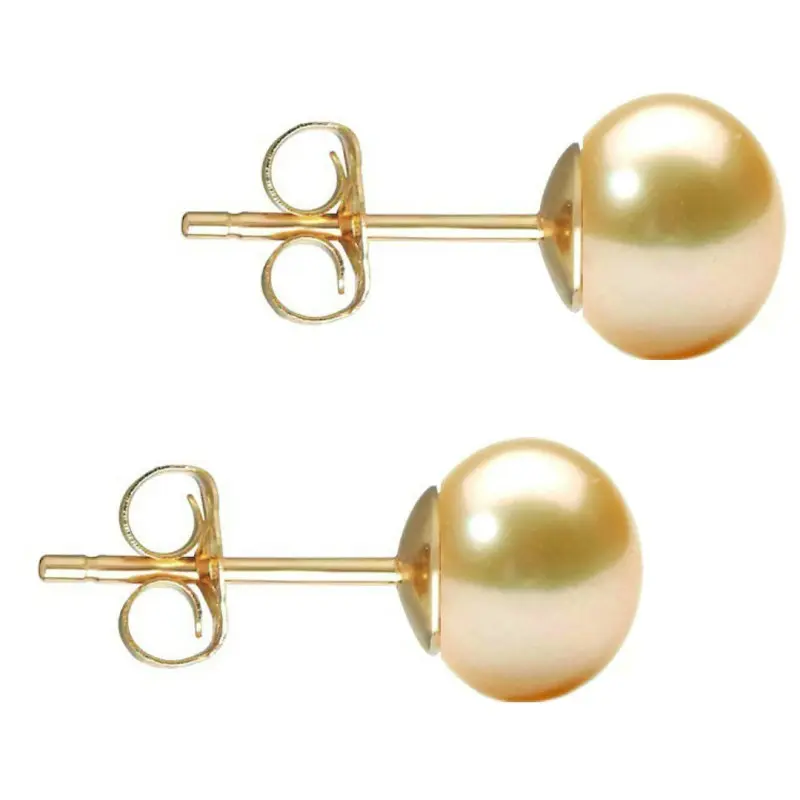
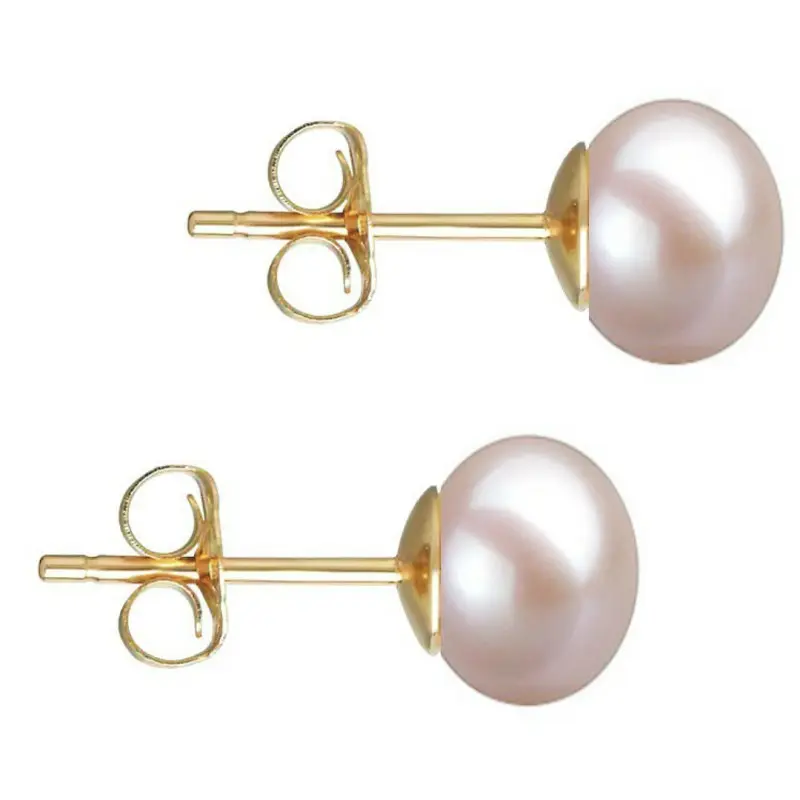
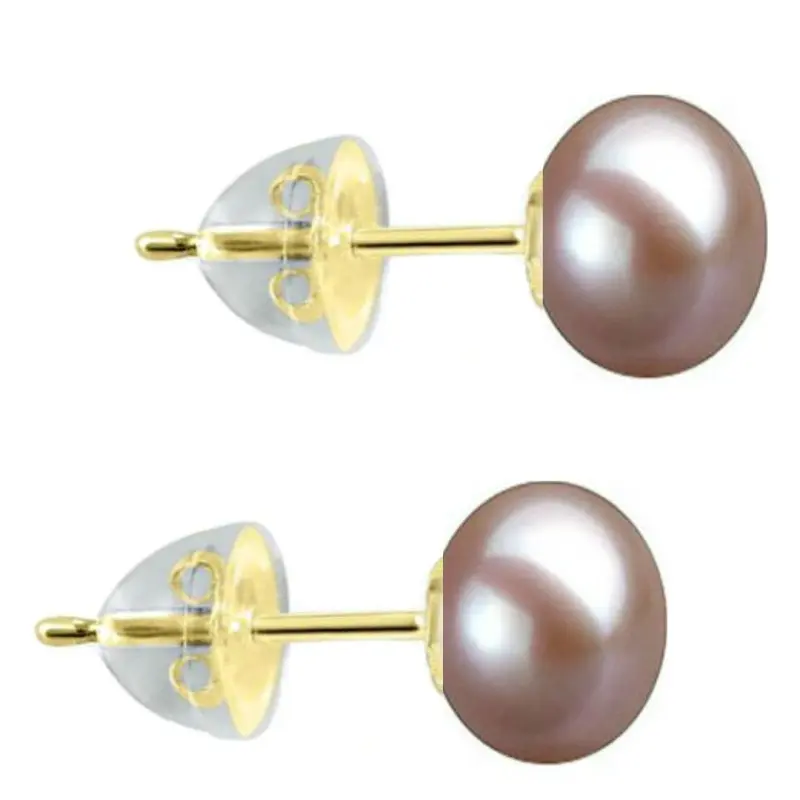
Edison pearls can display extremely interesting shades: lavender, white-cream, pink, peach or more intense tones. Some reflections are very difficult to capture accurately in photographs.
Lavender pearls, for example, may seem subtle in a static image and much more sophisticated in natural light.
Many people who see a lavender Edison pearl for the first time are surprised by how different it looks in reality.
Formation time
Edison pearls usually require more time to reach the impressive sizes for which they are known. In many cases, the process can take approximately 3–5 years.
This longer period contributes to both the size and the development of the nacre layer.
Edison pearls — How they form and why they are difficult to obtain
Edison pearls are cultivated in freshwater mollusks and need time to develop the large dimensions that make them so appreciated. The process takes several years, and not every mollusk succeeds in producing pearls with a spectacular appearance. Some pearls lack depth, others fail to develop enough nacre or the desired surface quality. With Edison pearls, the difference between an ordinary pearl and a premium one becomes obvious very quickly when they are compared side by side. The best examples have volume, reflections and a visual presence that is difficult to confuse with other pearl types.
Where they stand out the most
Edison pearls work beautifully in large pearl earrings, pendants and statement jewelry. They are ideal for people who want a visible and expressive pearl.
With simple outfits, they can immediately become the focal point.
Tahitian pearls
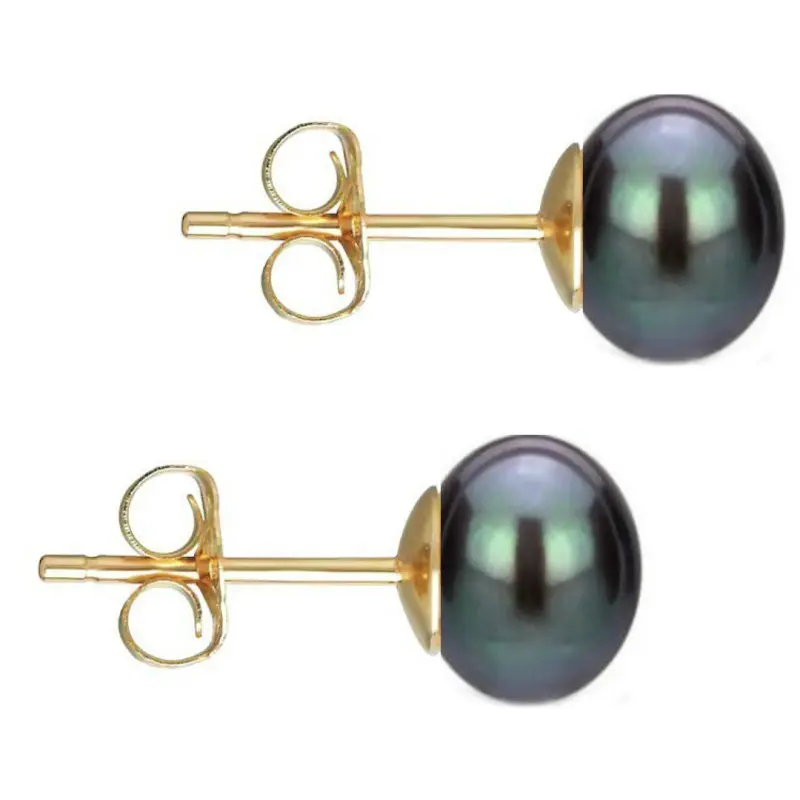
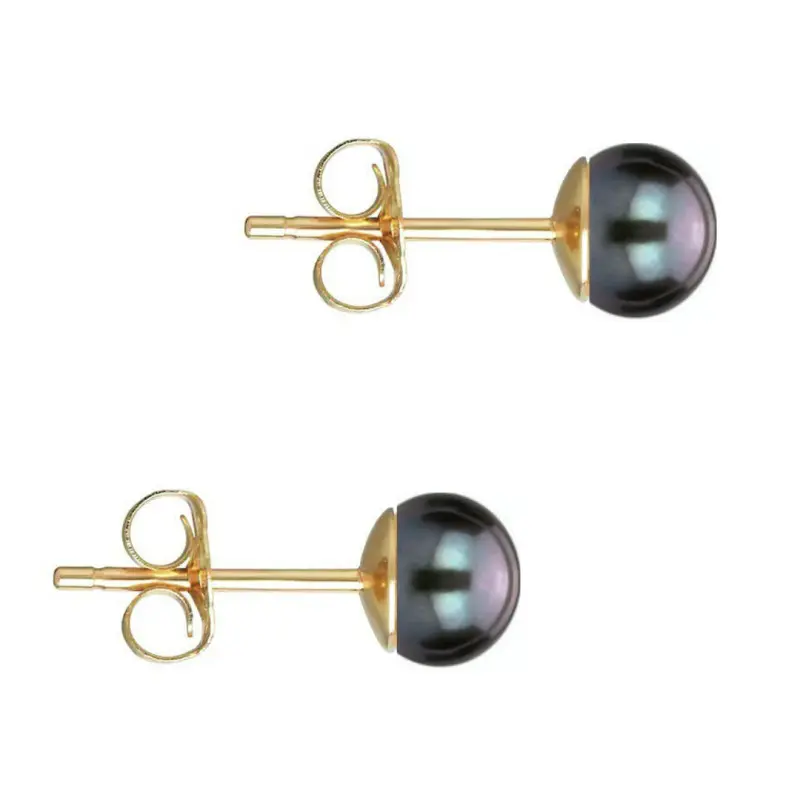
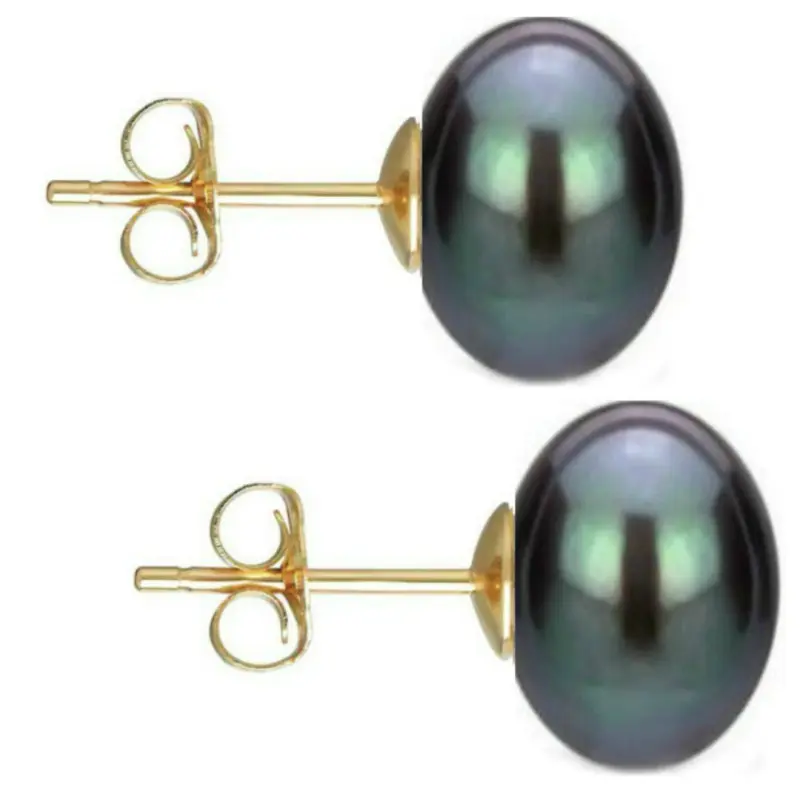
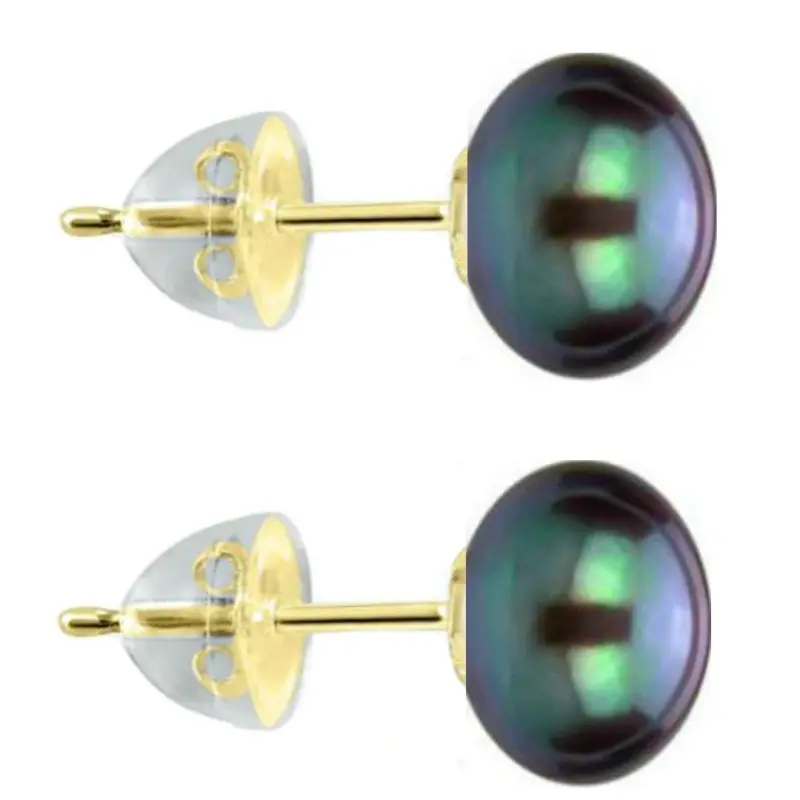
Tahitian pearls are among the most spectacular and easiest to distinguish pearl types. Although they are often called “black pearls”, the reality is much more complex.
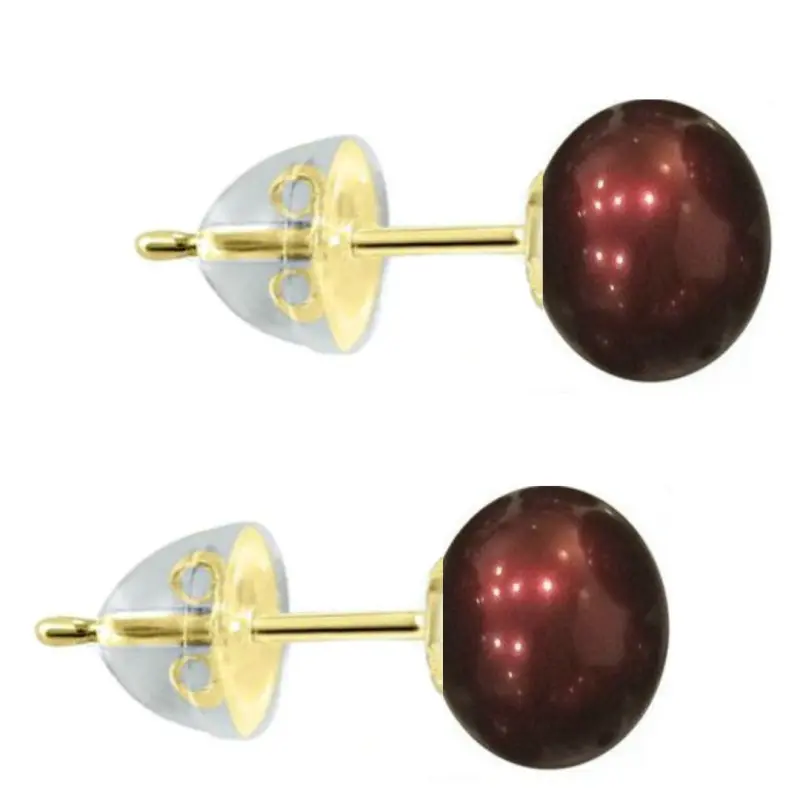
A Tahitian pearl can display green, gray, bluish, aubergine or metallic reflections. Sometimes the same pearl changes dramatically depending on the light.
This is also why they are so difficult to photograph accurately.
They are not simply “black pearls”
Many people imagine Tahitian pearls as purely black. In reality, their color palette is far richer.
Some have cool metallic tones. Others display very visible green reflections. Some appear almost gray under artificial lighting and much more colorful in natural light.
This play of tones is one of the reasons why Tahitian pearls are so appreciated.
A sophisticated appearance
Tahitian pearls do not have the classic delicacy of Akoya pearls. They have a deeper and more sophisticated presence.
In jewelry, they create contrast and personality. A pair of Tahitian pearl earrings can completely change the expression of a simple outfit.
They are the kind of pearls that attract attention without becoming excessive.
Formation time
Tahitian pearls usually have a longer formation time than Akoya pearls. In many cases, the cultivation period is around 2–3 years or even longer.
This slow process influences both the size and the depth of the reflections.
Tahitian pearls — How they form and why they are difficult to obtain
Tahitian pearls develop inside marine oysters cultivated in the lagoons of French Polynesia, and the natural environment has a major influence on the final result. The color cannot be fully controlled, and no two pearls develop identical reflections. Sometimes two pearls harvested from the same area can look surprisingly different. This is exactly what makes them so fascinating. At the same time, selection is extremely difficult. Many pearls lack enough depth or have surfaces that are too imperfect for premium jewelry. Pearls with beautiful reflections, balanced colors and good size are considerably rarer than they may seem at first glance.
What many people only notice in real life
In photographs, Tahitian pearls may appear darker than they really are. In natural light, however, their reflections become far richer.
Sometimes the same pearl looks completely different in the morning, in the evening or under warm lighting.
South Sea pearls
South Sea pearls are considered among the most valuable cultured pearls. They are large, rare and have a type of light completely different from other pearl varieties.
If Akoya pearls impress through clarity of reflections, South Sea pearls impress through volume and their calm, satin-like and extremely elegant glow.
Size matters enormously
South Sea pearls frequently reach 10–15 mm or even larger. However, obtaining a large pearl with a beautiful surface and good luster is extremely difficult.
This is one of the reasons why South Sea pearls are so highly valued.
A satin-like appearance
South Sea pearls do not have the same sharp reflections as Akoya pearls. Their light is broader and softer.
Sometimes it is precisely this satin-like glow that makes them feel so refined.
They are not visually aggressive pearls. Their elegance comes from proportion and presence.
Formation time
South Sea pearls generally require a longer formation period. In many cases, the process lasts approximately 2–4 years.
Their large size and the difficult selection process contribute to their rarity.
South Sea pearls — How they form and why they are difficult to obtain
South Sea pearls are cultivated inside some of the largest pearl-producing oysters and require a very long time to reach the impressive sizes for which they are known. The process is slow, and the oysters are sensitive, making cultivation riskier and more expensive. A large pearl is not automatically a beautiful one. Many fail to develop the necessary surface quality, luster or shape required for premium jewelry. This is why South Sea pearls with large size, satin-like glow and balanced appearance are so appreciated. In reality, truly exceptional examples are quite rare.
Where they work best
South Sea pearls are especially beautiful in premium jewelry with simple designs. A large and beautiful pearl does not need many additional details.
In many cases, the setting simply complements the pearl.
Freshwater pearls
Freshwater pearls are probably the most diverse of all pearl types. They can come in extremely different shapes, sizes and colors.
This diversity is exactly what makes them so popular in modern jewelry.
Not all freshwater pearls are the same
There is an enormous difference between an ordinary freshwater pearl and a premium-quality one.
Some pearls have weak luster and uneven surfaces. Others can display beautiful reflections and a surprisingly elegant visual presence.
This is why it is important not to judge all freshwater pearls based on the simplest examples.
Shapes and colors
Freshwater pearls can be round, oval, teardrop-shaped, button-shaped or baroque. They can appear in white, cream, pink, peach or lavender shades.
Some of the most interesting combinations appear precisely in warmer or softer tones.
Lavender pearls, for example, have become highly appreciated in recent years because they look different from classic white pearls without becoming overly extravagant.
Formation time
The formation time can vary significantly. In many cases, the period is approximately 1–3 years.
This also explains the major quality differences found on the market.
Freshwater pearls — How they form and why they are difficult to obtain
Freshwater pearls are cultivated in lakes and rivers, and the process can produce extremely different results. Some pearls become almost perfectly round, while others develop more organic shapes or different reflections. Although they are often considered more accessible, premium freshwater pearls are far more difficult to obtain than they may seem. For a freshwater pearl to have beautiful luster, an attractive surface and a pleasant color, the cultivation conditions must remain stable over long periods of time. The difference between an ordinary pearl and a carefully selected premium one becomes obvious immediately when they are viewed side by side.
Baroque pearls
Baroque pearls are completely different from the classic image of the perfectly round pearl. And that is exactly what makes them so interesting.
Their irregular shape creates different reflections and a much more organic appearance.
In recent years, baroque pearls have become extremely popular in modern and editorial jewelry.
No two are identical
Every baroque pearl is different. Some are elongated, others wavy, others almost sculptural.
Rather than appearing as a flaw, this lack of symmetry gives them personality.
Why they look so different in light
The irregular shape changes the way light falls on the pearl. Because of this, the reflections can become extremely spectacular.
Sometimes a carefully selected baroque pearl attracts more attention than a perfectly round pearl.
Baroque pearls — How they form and why they are difficult to obtain
Baroque pearls appear when the pearl does not develop perfectly symmetrically inside the mollusk. Their shape is unpredictable, and this unpredictability is exactly what makes them special. Some become almost sculptural, with fascinating reflections, while others develop less interesting forms and are not used in premium jewelry. With baroque pearls, selection matters enormously. Not every irregular pearl is automatically beautiful. The best examples have balance, personality and a play of light that makes every piece look different when worn.
Where they work best
Baroque pearls are perfect for modern pearl earrings, organic pearl necklaces and jewelry that does not want to feel rigid or overly classic.
They are the type of pearls that instantly add personality to an outfit.
How long different types of pearls take to form
The formation time influences the size, nacre thickness and rarity of a pearl. It is not the only important factor, but it helps explain the differences between pearl types.
| Pearl type | Approximate formation time | What the formation period influences |
|---|---|---|
| Akoya | approximately 2 years | intense luster, nacre layer, roundness and clarity of reflections |
| Edison | approximately 3–5 years | large size, nacre thickness, color and depth of reflections |
| Tahitian | approximately 2–3 years | dark natural shades, green/bluish reflections and surface quality |
| South Sea | approximately 2–4 years | large size, rarity, satin-like glow and clean surface |
| Freshwater | approximately 1–3 years | size, shape, luster and cultivation method used |
| Baroque | varies depending on the pearl type | irregular shape, natural development and final visual selection |
A longer formation time does not automatically mean a more beautiful pearl. What truly matters is the final result: luster, surface, proportions and reflections.
How luster changes the appearance of a pearl
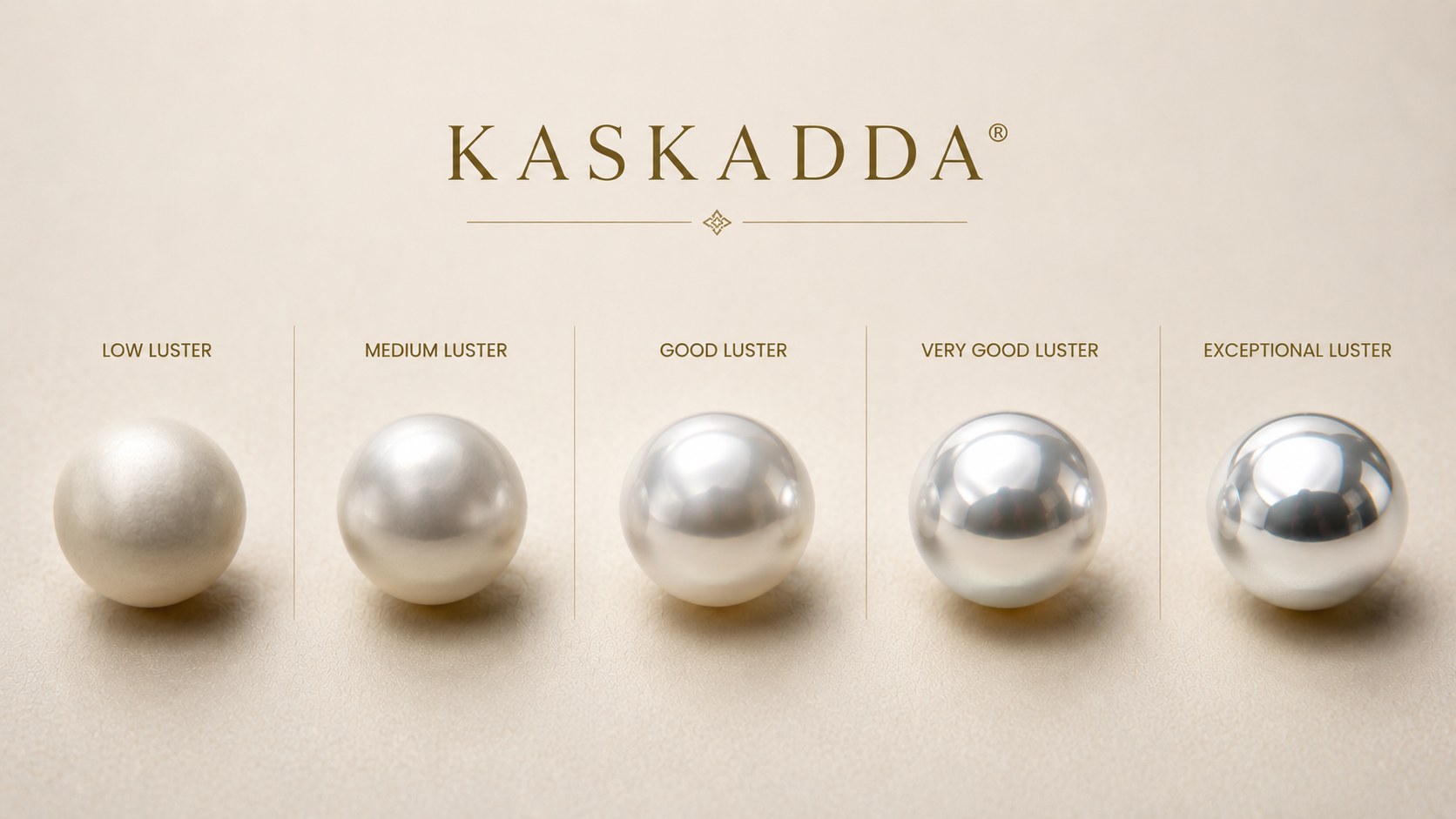
Luster completely changes the way a pearl looks.
A pearl with beautiful luster appears alive and luminous. The reflections create depth and make the surface feel clearer and more refined.
A large pearl without luster can look surprisingly expressionless.
Very often, people notice the difference in luster faster than the difference in size.
This is also why carefully selected pearls can appear elegant even when they are not particularly large.
How natural pearl quality is evaluated
When people see a truly beautiful pearl, the reaction usually appears before they understand exactly why they like it. Some pearls immediately seem luminous and “alive”, while others, even if large or perfectly round, fail to create the same impression.
This happens because the value of a pearl does not come from a single detail. Size alone does not determine everything, and neither does perfect shape. In reality, the appearance of a pearl is the result of several elements working together: luster, surface, color, shape, nacre and the way light reflects.
Sometimes a smaller pearl can look surprisingly elegant precisely because it has extremely clear reflections and strong visual depth. Other times, a large pearl can appear rather ordinary if the light does not interact beautifully with its surface.
Luster
The first thing most people notice without realizing it is the luster. It completely changes the way a pearl appears.
With a high-quality pearl, the light does not seem to reflect only from the surface. The pearl has depth and almost appears luminous from within. The reflections are sharp, and the surface feels more alive and visually cleaner.
The difference becomes visible very quickly when two pearls are placed side by side. Even someone without experience immediately notices that one of them simply “looks better”, even if they cannot explain exactly why.
Very often, luster influences the appearance of jewelry more than the pearl size itself.
Surface
Natural cultured pearls are not all perfectly flawless. They are created inside a mollusk, not in a factory, and small surface characteristics can appear even on very good pearls.
What matters is how visible these details are and whether they affect the overall appearance of the pearl. In premium pearls, the surface usually appears cleaner and more uniform, while the reflections are sharper.
With baroque pearls, however, things are slightly different. There, the more organic shapes and surfaces are part of the pearl’s natural beauty and personality.
Shape
Perfectly round pearls are rarer and have been appreciated for a very long time in classic pearl jewelry. In a balanced pearl necklace or a pair of elegant pearl earrings, symmetry changes the final appearance dramatically.
Still, the idea that only perfectly round pearls are valuable is no longer true.
Baroque pearls and more organic shapes have become highly appreciated in modern jewelry because they feel more natural and expressive. Sometimes it is precisely the imperfect shape that makes a pearl memorable.
In reality, shape should always be considered together with luster, reflections and the pearl’s overall character.
Size
Large pearls are rarer, especially when they also manage to maintain beautiful luster and an attractive surface. For this reason, size influences the value of a pearl.
But larger does not always mean more elegant.
A smaller but highly luminous pearl can appear far more refined than a large pearl without depth or clear reflections. Especially in earrings and necklaces worn close to the face, proportion matters enormously.
Sometimes the difference between elegant jewelry and jewelry that feels visually too heavy comes precisely from choosing the right size.
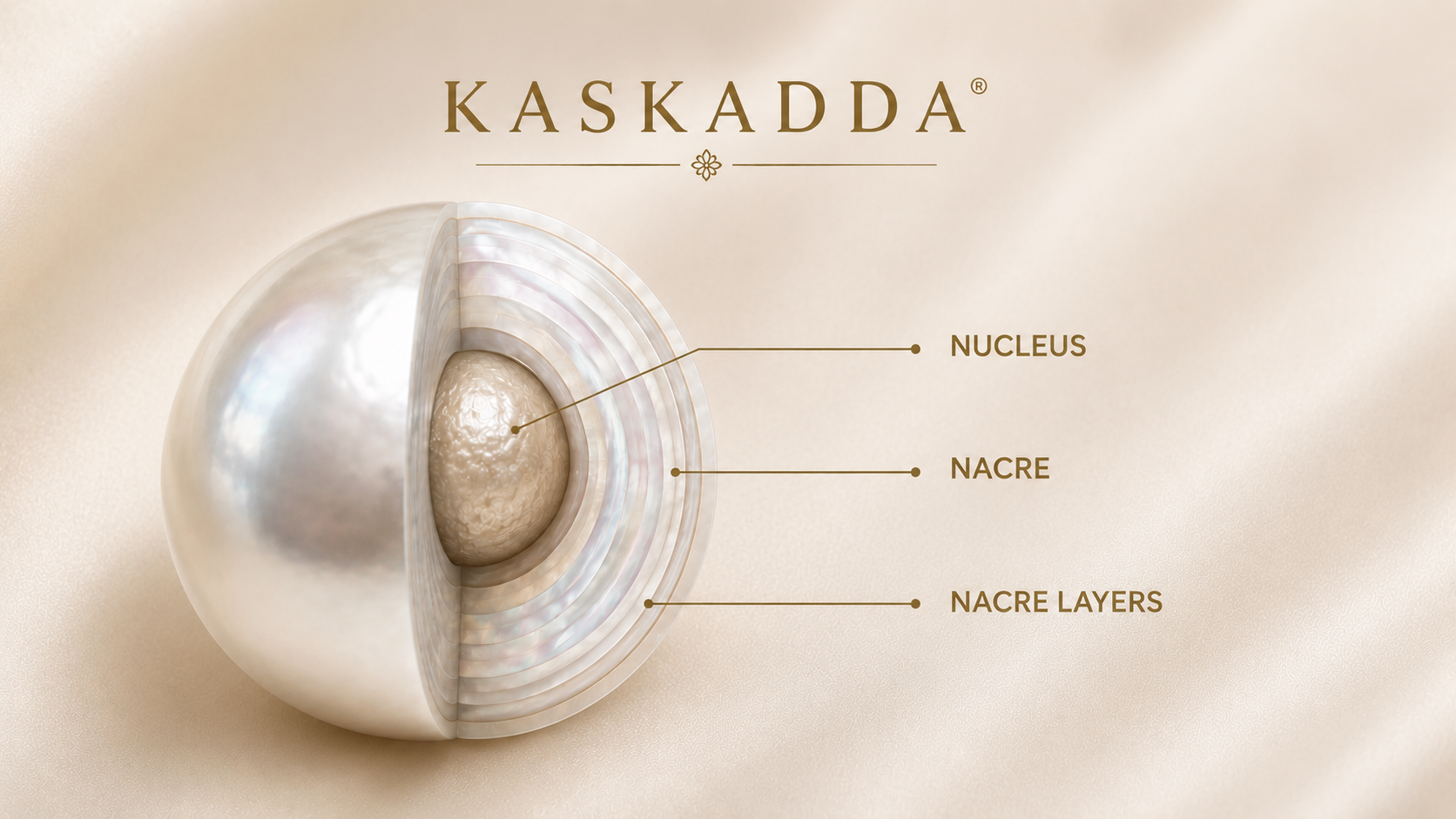
Nacre thickness
Nacre is the layer gradually deposited by the mollusk around the pearl nucleus. It directly influences the way the pearl reflects light and how visually deep it appears.
Pearls with well-developed nacre usually have richer reflections and a fuller appearance. The light does not feel superficial, but deeper and more complex.
Over time, nacre thickness also influences the durability of the pearl. This is why premium pearls are appreciated not only for how they look immediately, but also for the quality of their natural internal structure.
Color and reflections
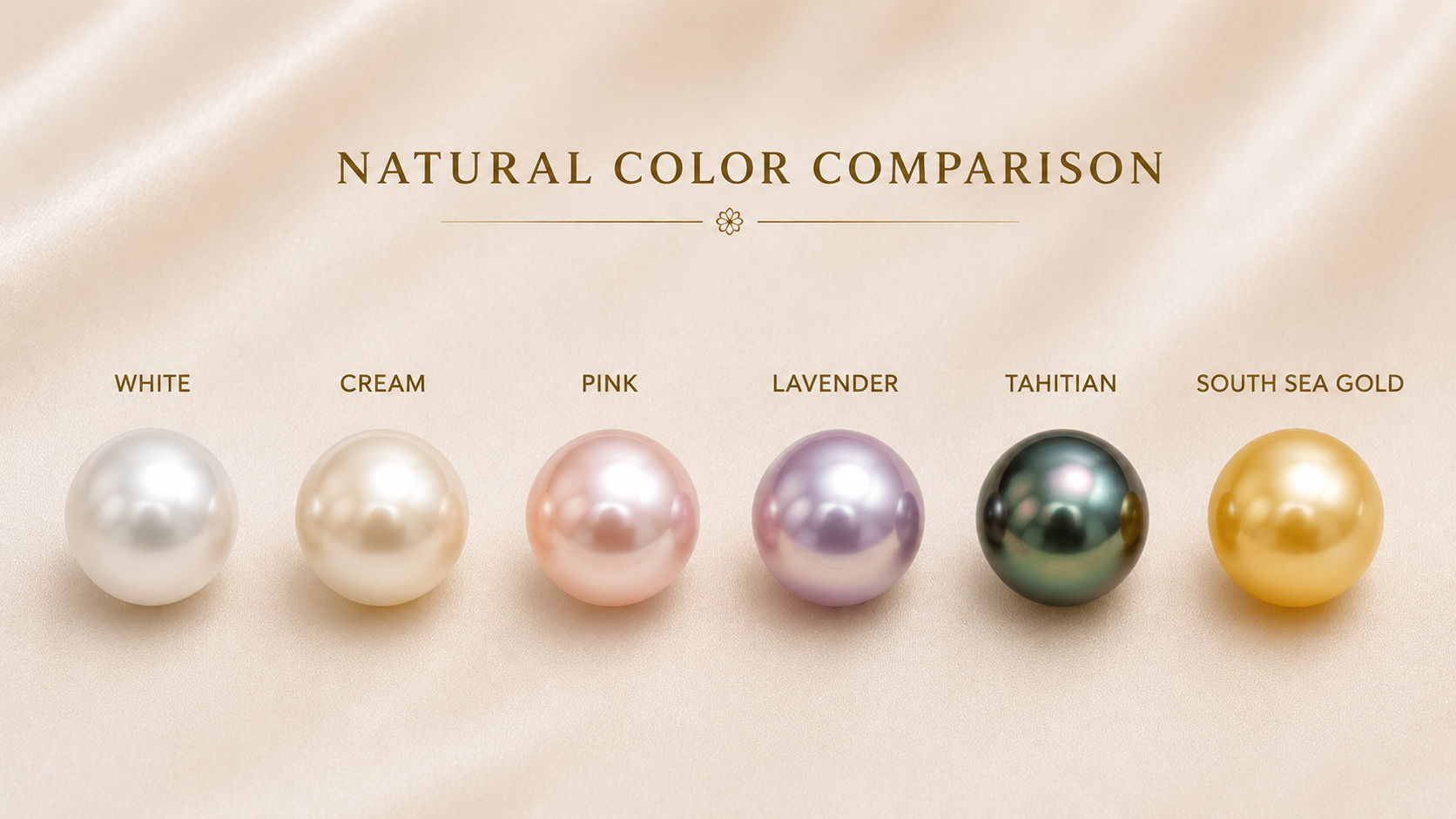
The color of a pearl is almost never completely uniform. Some pearls have subtle reflections that only appear under certain types of light or when the pearl moves.
Tahitian pearls can display green, gray, bluish or aubergine tones. Edison pearls may develop lavender, pinkish or slightly metallic reflections. Even white pearls can appear cooler or warmer depending on the light, skin tone and setting.
These small variations make every pearl look different in real life.
And very often, it is exactly these secondary reflections that transform a beautiful pearl into a memorable one.
Matching pearls together
In pearl necklaces and pearl sets, one of the most difficult parts is selecting pearls that look harmonious together.
The pearls must be close in size, color, luster and reflections. Even very small differences become visible when pearls are placed next to each other in a necklace.
This is why a beautifully balanced pearl strand is much more difficult to create than it may appear at first glance. Sometimes the biggest quality differences are not visible in a single pearl, but in the way all the pearls work together inside one piece of jewelry.
Pearl grading guide: from A to AAA+
| Pearl quality | Luster | Surface | Overall appearance | Common use |
|---|---|---|---|---|
| A | low to medium | visible imperfections | simpler appearance, less defined reflections | commercial jewelry, accessible options |
| AA | medium to good | moderate imperfections, less visible | pleasant appearance, suitable for everyday wear | elegant everyday jewelry |
| AA+ | good | cleaner surface with small natural characteristics | very good balance between appearance, luster and price | refined, wearable and elegant jewelry |
| AAA | very good | clean, visually uniform | luminous pearl with sharp reflections and premium appearance | premium jewelry, elegant gifts, refined pearl sets |
| AAA+ | exceptional | very clean, minimal imperfections | rare pearl with extraordinary visual balance and intense luster | collector jewelry, rare large pearls, premium pieces |
In the pearl world, classifications such as A, AA, AA+, AAA or AAA+ are frequently used to describe the overall quality level of a pearl. However, these classifications do not function as a rigid international standard applied identically everywhere.
Two pearls labeled “AAA” can look quite different if they come from different sources or if they were evaluated using stricter or more permissive criteria. For this reason, grading should be viewed more as a general reference point than as an absolute rule.
In practice, a pearl is evaluated by considering multiple aspects simultaneously: luster, surface, shape, color, nacre thickness and the overall visual impression. Sometimes the difference between two quality grades becomes obvious immediately. Other times, it only becomes clear when pearls are compared directly under natural light.
A grade pearls
Pearls in the A category are considered entry-level options. They usually have lower luster, less defined reflections and more visible surface imperfections.
The shape may be less uniform, and the pearl lacks the visual depth of more carefully selected examples. These pearls are commonly found in commercial jewelry or products created for more accessible budgets.
AA grade pearls
AA pearls have a more balanced appearance and visibly better luster than basic-grade pearls. Imperfections are still present, but they are less obvious when the pearl is worn.
In many cases, these pearls are visually pleasing and beautiful enough for elegant everyday jewelry.
AA+ grade pearls
The AA+ category is one of the most popular because it offers a very good balance between appearance and price. The luster becomes much more visible, the reflections cleaner and the surface more visually uniform.
Many pearls that look elegant in real life without reaching the very high-end premium category are selected from this grade.
Under good lighting, the difference between AA and AA+ usually becomes noticeable quite quickly.
AAA grade pearls
AAA pearls are selected much more carefully. They generally have strong luster, sharp reflections and cleaner surfaces. The pearl appears brighter and visually deeper.
In the case of a truly high-quality pearl, the light almost seems to sit inside the pearl rather than simply reflecting from the surface.
The difference between AA+ and AAA does not always appear dramatic in photographs, but in reality it becomes far more visible, especially when pearls are compared directly side by side.
AAA+ grade pearls
AAA+ pearls are among the rarest and are selected from examples with the best visual characteristics. They usually have extremely intense luster, very clean surfaces and a visual balance that is difficult to achieve, especially in larger sizes.
With large pearls, the selection process becomes even more difficult. The larger the pearl, the harder it is to preserve strong luster, beautiful surface and balanced proportions at the same time.
This is exactly why large AAA+ pearls are considered considerably rarer than they may initially seem.
How to choose the right type of pearl
The choice depends greatly on personal style and on how you want the jewelry to look.
For an elegant and classic appearance, many people prefer Akoya pearls.
For statement jewelry, Edison and South Sea pearls work exceptionally well.
For a more modern and artistic style, baroque pearls are among the most interesting choices.
For sophisticated contrasts and deep reflections, Tahitian pearls are difficult to match.
And for versatility and a wide variety of shapes and colors, freshwater pearls remain an excellent option.
Things many people only notice after wearing pearls
Many people initially choose pearls based on size and only later realize how important luster truly is.
Others discover that a large pearl is not always more elegant than a smaller pearl with exceptional brightness.
Some pearls look discreet in photographs and much more spectacular in real life. This happens very often with Tahitian pearls and certain Edison pearls.
With baroque pearls, many people completely change their opinion after seeing them worn. The irregular shape, which may seem unusual in photographs, becomes extremely interesting in movement and natural light.
And there is something else: some pearls dramatically change the expression of the face. Especially earrings worn close to the skin.
A highly luminous pearl can make the face appear brighter and visually cleaner. A darker pearl, such as a Tahitian pearl, can create contrast and depth.
Real comparisons between pearl types
The differences between pearls become much clearer when they are viewed side by side. Sometimes two pearls with the same size can create completely different impressions.
When directly compared, Akoya pearls usually appear brighter and visually more precise. Their reflections are sharp and very clean. Edison pearls, on the other hand, impress more through volume and depth. Even when both types have beautiful luster, the final effect is completely different.
With Tahitian and South Sea pearls, the difference becomes most noticeable in the light. Tahitian pearls display stronger contrasts and changing reflections, sometimes almost metallic. South Sea pearls feel calmer and visually fuller, with a satin-like glow that becomes especially visible on larger pearls.
Baroque pearls completely change the perception of shape. A perfectly round pearl creates balance and symmetry. A baroque pearl attracts attention through movement, irregular reflections and organic character. In many modern jewelry pieces, it is precisely this lack of perfection that makes the pearl more interesting.
The differences between small and large pearls are also more subtle than they may initially appear. Large pearls are more visible and expressive, but not always more elegant. Sometimes a smaller but highly luminous pearl can feel more refined than a large pearl without depth or clear reflections.
Color also changes perception dramatically. White pearls appear brighter and more classic. Cream pearls visually warm the jewelry and often feel softer. Lavender pearls may look discreet in photographs, but in natural light they develop extremely elegant reflections that feel very different from classic white pearls.
In reality, many of these differences only become visible once the pearls are worn. Light, skin tone and movement dramatically change the way each pearl type appears.
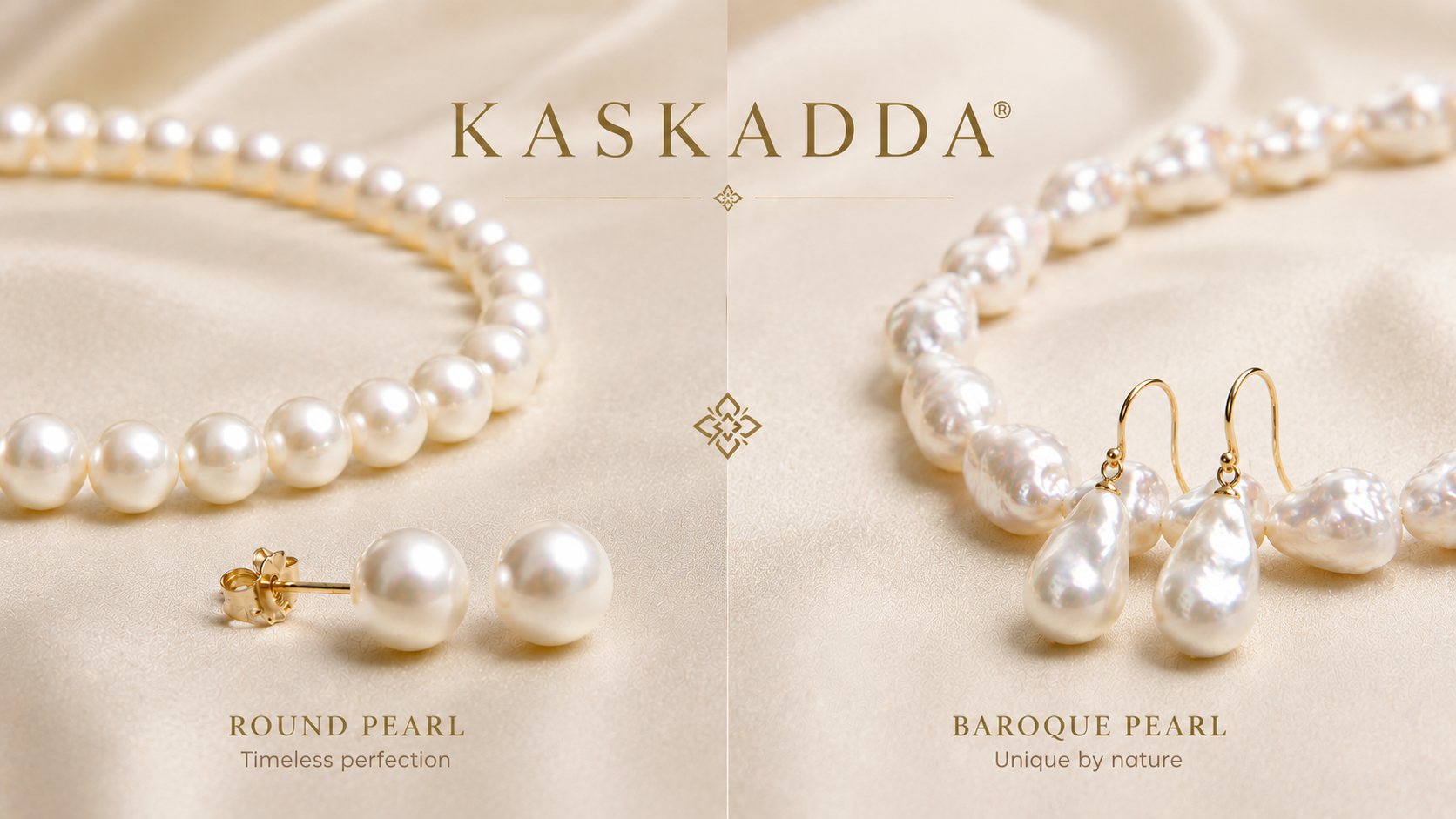
How the type of pearl changes the look of jewelry
The exact same setting can look completely different depending on the pearl used.
A simple setting with Akoya pearls can appear elegant and classic. With Edison pearls, it becomes a statement piece. With Tahitian pearls, it gains a more sophisticated and modern feel. With baroque pearls, it becomes more artistic and expressive.
If you would like to see how pearl type changes the appearance of earrings, you can also read the complete guide to natural pearl earrings.
And if you are interested in how pearl type changes the appearance of a necklace, you can also discover the complete guide to natural pearl necklaces.
Conclusion
Natural cultured pearls are not all the same and should not be viewed simply as variations of color or size.
Some impress through luster, others through volume, reflections or shape. Some are elegant and visually very clean, while others have personality and organic character.
Very often, the real differences only become visible once the pearls are worn. In natural light. Close to the skin. In motion.
And perhaps this is one of the most fascinating things about pearls: they never look exactly the same in two different moments.