 EN
 Bulgarian
 Greek
 Magyar
 Czech
 Deutsch
 Hrvatski
 Slovenšcina
 Polish
 Slovencina
What you’ll find in this article
- Why pearls feel so personal on a wedding day
- Japan and the origins of cultured Akoya pearls
- Why brides choose Akoya pearl necklaces
- Bridal pearl traditions around the world
- How to choose an Akoya bridal necklace
- What makes an Akoya necklace special
- A pearl necklace as a wedding gift
- How to wear Akoya pearls on your wedding day
- Caring for your pearl necklace
- An Akoya necklace as a family heirloom
- What wedding pearls can mean years later
- Final thoughts
Why pearls feel so personal on a wedding day
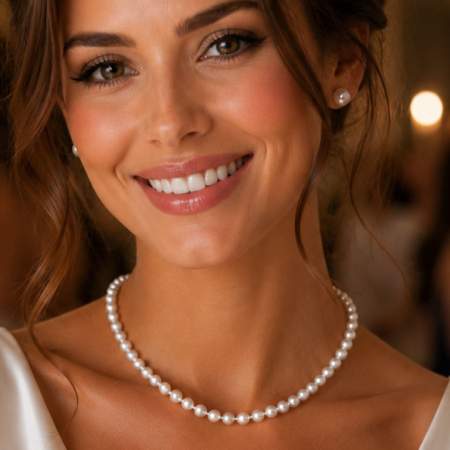
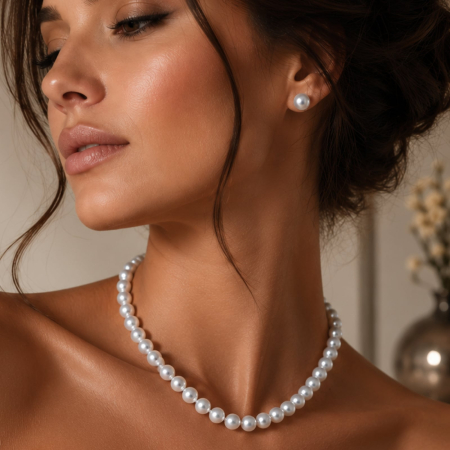
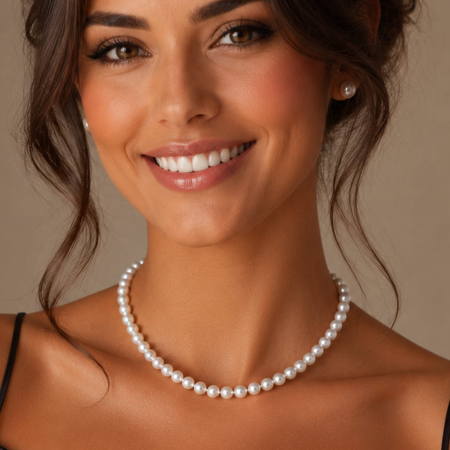
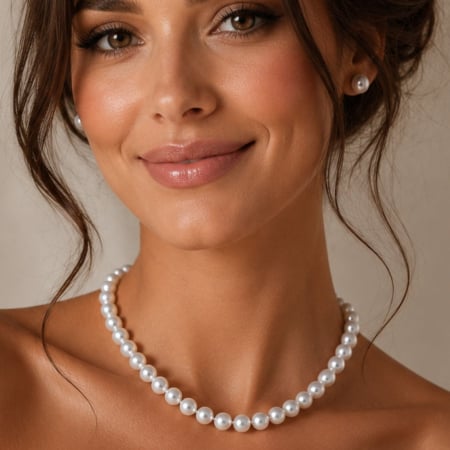
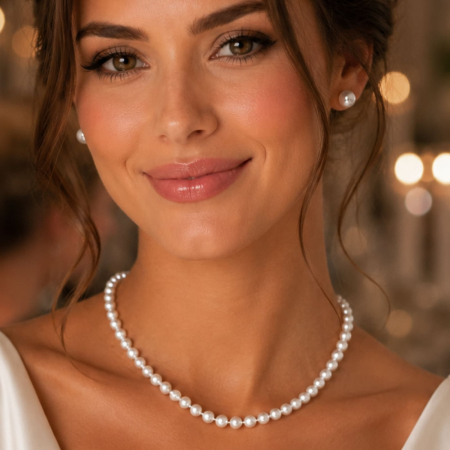
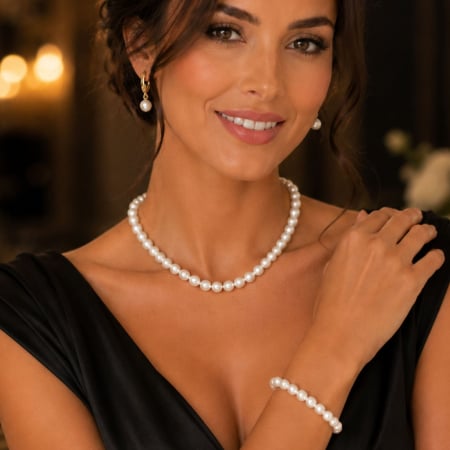
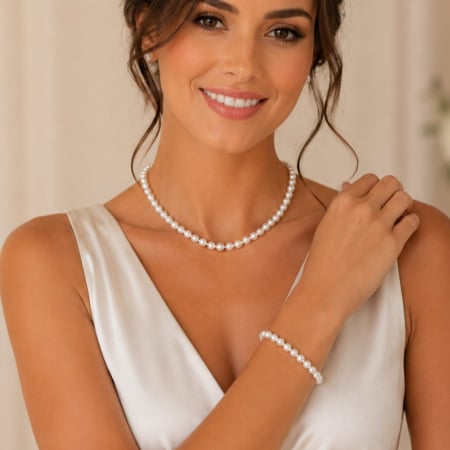
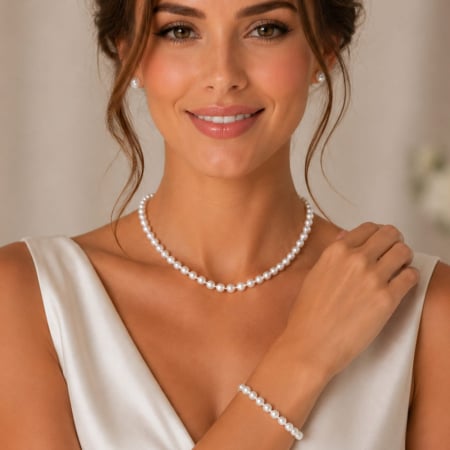
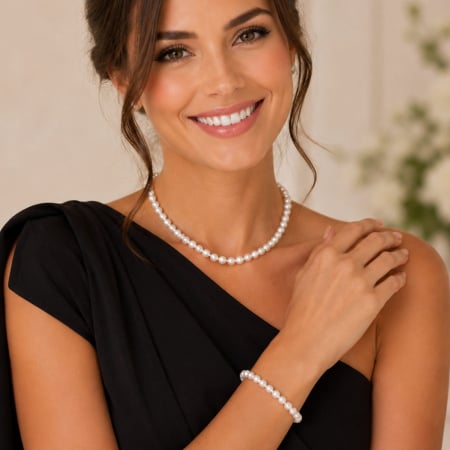
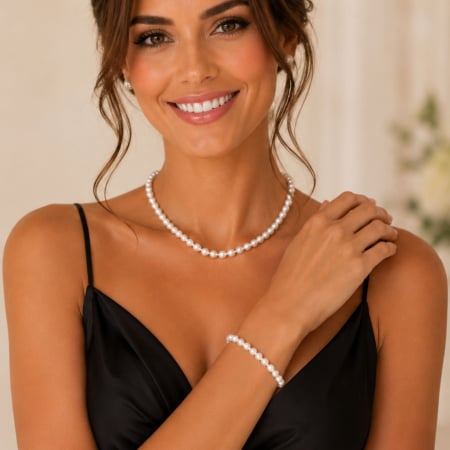
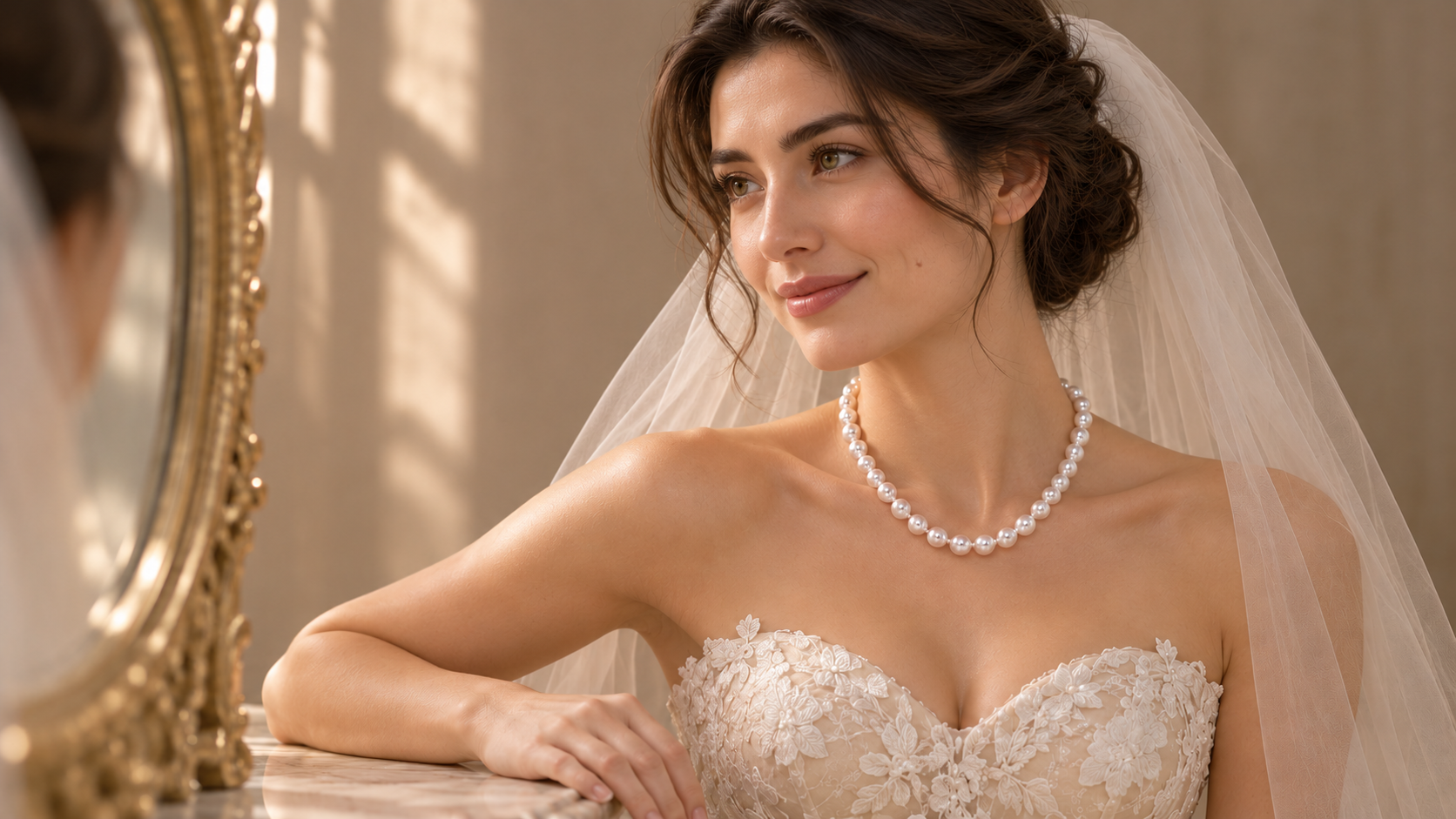
Pearls have long been associated with purity, femininity and quiet affection. Their soft lustre can reflect both the tenderness and the confidence a bride brings to her wedding day. An Akoya pearl necklace is a classic choice for that moment.
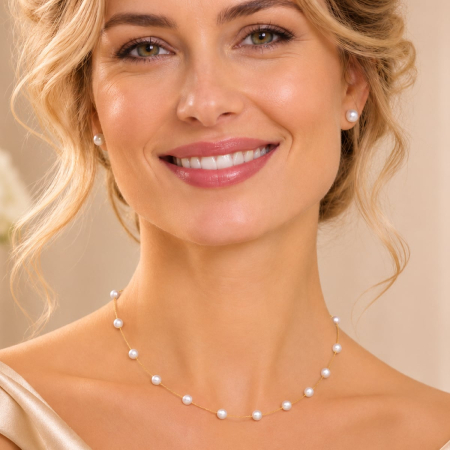
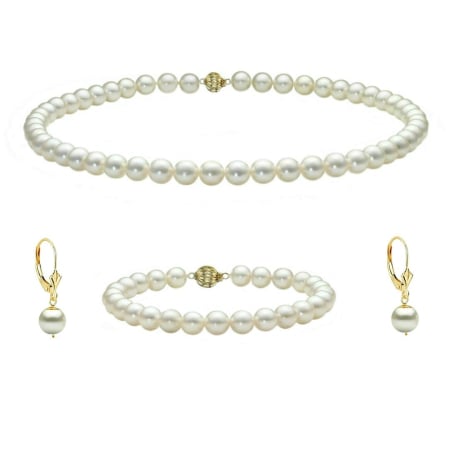
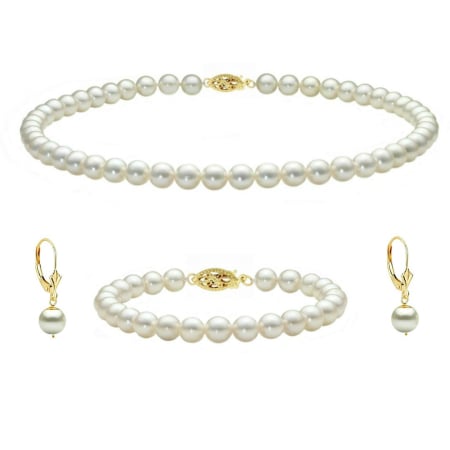
For a wider look at wedding accessories, explore our guide to bridal jewellery, with ideas for necklaces, matching sets, earrings and brooches.
With their nearly round shape, distinctive lustre and long association with Japan, Akoya pearls have helped give bridal necklaces a recognisable look. Choosing an Akoya pearl necklace for your wedding can connect your own style with a tradition that has lasted through changing fashions.

Japan and the origins of cultured Akoya pearls
The history of Akoya necklaces is closely associated with Mikimoto Kōkichi. His work on pearl cultivation in Japan began in the late nineteenth century and helped bring cultured pearls to a wider public in the early twentieth century. Naturally formed pearls were exceptionally rare, and matching strands of round pearls were largely the preserve of royalty and wealthy families.
Culturing Akoya pearls in Japanese waters made it possible to consistently find pearls with strong lustre, near-round shapes and subtle overtones. As fine strands became more widely available, they found a place in bridal jewellery around the world.
Why brides choose Akoya pearl necklaces
- A symbol of purity – white pearls with soft pink or silver overtones can suggest sincere love and a fresh start.
- Classic elegance – an Akoya strand can suit many different wedding dress styles.
- Versatility – it can be worn for the wedding and for other occasions afterwards.
- Sentimental value – over time, it can become a family heirloom.
Bridal pearl traditions around the world
Pearls have travelled across cultures, taking on different meanings in different places.
In some French wedding traditions, a pearl necklace expressed hopes for a growing family. In the United States, pearls became a familiar part of mid-century style and were worn for occasions from graduations to weddings. In parts of Asia, a bridal pearl necklace could carry wishes for protection and prosperity. In some Middle Eastern traditions, pearls also appeared as engagement gifts with spiritual significance.
These customs help explain why Akoya pearls still feel at home in a wedding look today.
How to choose an Akoya bridal necklace
Start with four details:
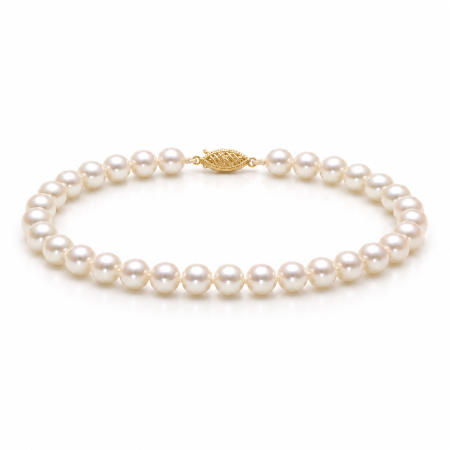
- Pearl size: 5–6 mm for a subtle look, 7–8 mm for classic proportions, and 8.5–9 mm for a rarer, more prominent strand.
- Colour: white or pinkish white, with cream or silver overtones also possible.
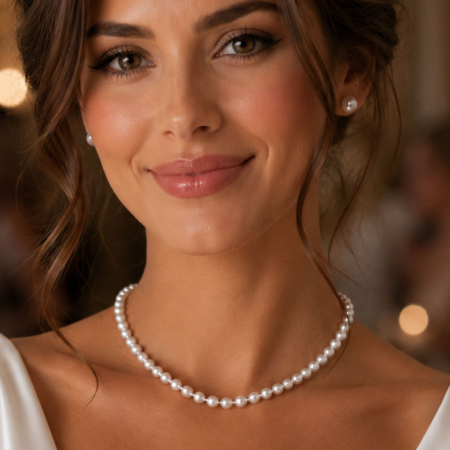
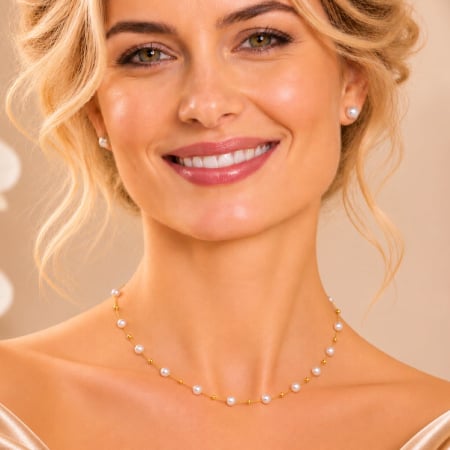
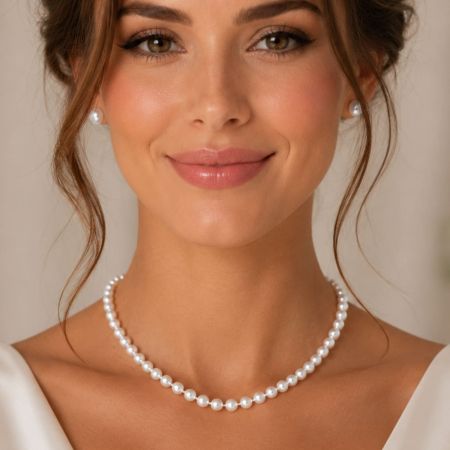
- Length: choker (35 cm), collarbone length (40 cm), princess (43 cm), opera (60–90 cm) and rope (over 100 cm).
- Quality: AAA is often used to describe a high-grade Akoya strand, though grading varies by seller. Look at the lustre, surface and how well the pearls match.
What makes an Akoya necklace special
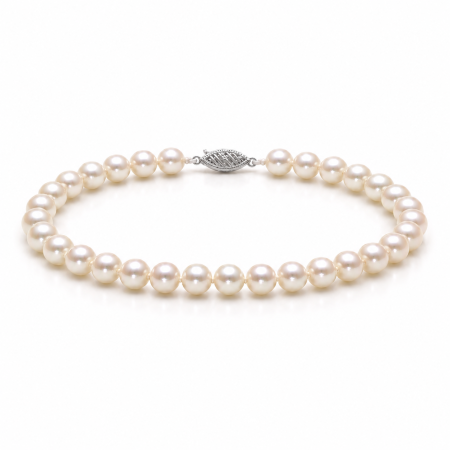
Akoya pearls are known for their often metallic lustre and nearly round shape. The nacre’s quality and the care taken to match the pearls contribute to the even look of a fine Japanese strand. Akoya, freshwater and Tahitian pearls each have a distinct character. Many brides choose Akoya for their brightness and balanced proportions.

A pearl necklace as a wedding gift
Parents may give an Akoya necklace to their daughter as a sign of family continuity. Where the custom includes wedding sponsors, they may choose a strand to mark the occasion. The groom might give one as a personal gesture of affection. A necklace given at the start of married life can later become an heirloom.
How to wear Akoya pearls on your wedding day
- Sweetheart neckline: try a choker or another short necklace.
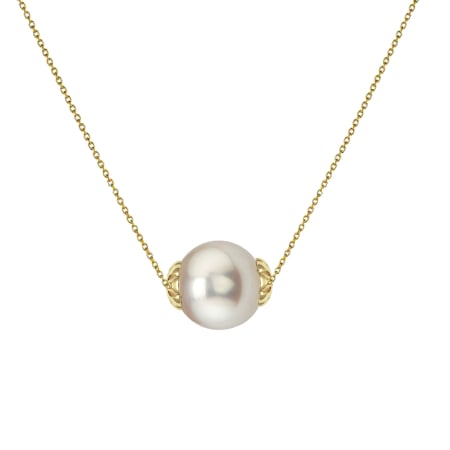
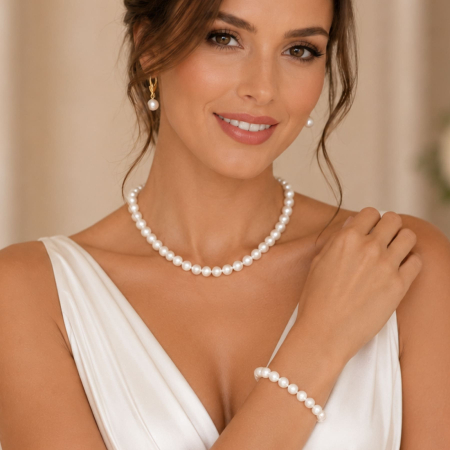
- Plunging neckline: try a princess-length necklace or a pendant.
- High neckline: consider a long, striking strand.
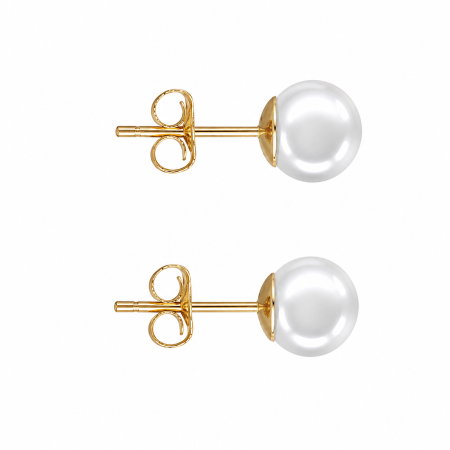
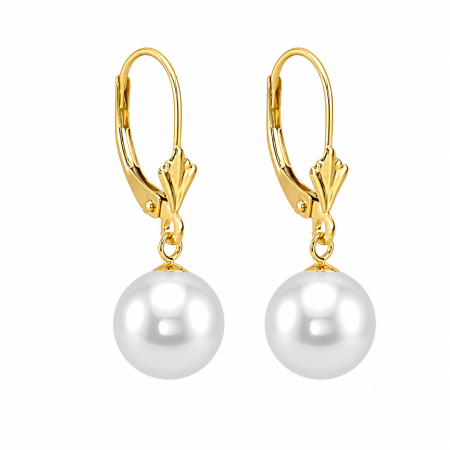
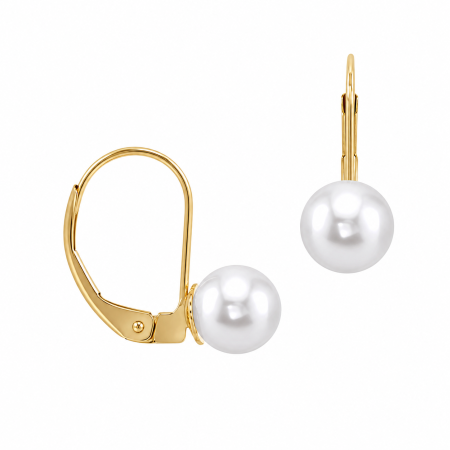
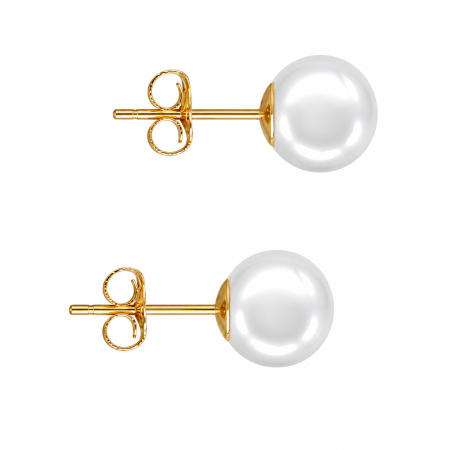
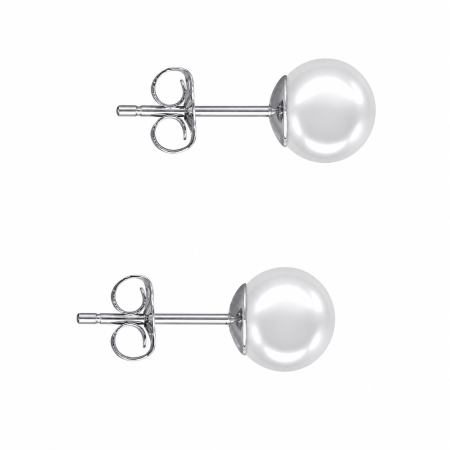
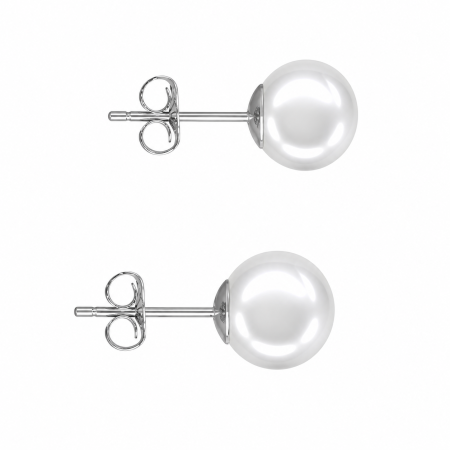
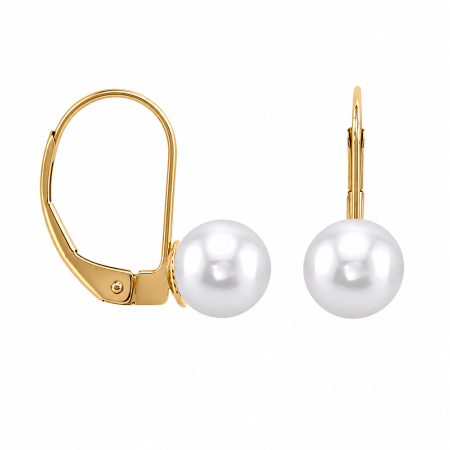
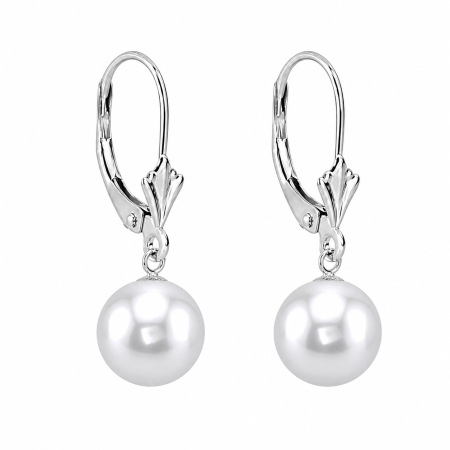
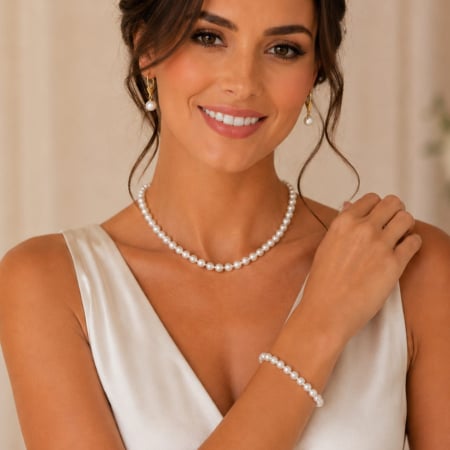
- Pair the necklace with understated pearl earrings for balance.
Caring for your pearl necklace
Wipe the pearls with a soft cloth after wearing them. Keep perfume and cosmetics off the strand and store it separately in a soft pouch, such as a silk one. You can wear it regularly with a little care.
An Akoya necklace as a family heirloom
A bride’s first Akoya necklace can pass to a daughter or granddaughter. Years later, the strand can still recall the person who first wore it and the occasion it marked.
What wedding pearls can mean years later
The jewellery you choose can hold a particular memory of the wedding day. Pearls have associations with purity, femininity and new beginnings. Their soft light complements the dress without distracting from it.
For many brides, the appeal of an Akoya necklace comes down to its deep lustre, nearly round pearls and even proportions. A strand can feel right on the wedding day and still hold the same personal meaning years later.
You might wear the necklace again at an anniversary or another important occasion, or pass it on to someone in the family. That continuity is part of what makes bridal pearls so personal.
Final thoughts
An Akoya bridal pearl necklace brings together the beauty of the pearls and the care taken to match them. It remains a classic wedding choice. An Akoya pearl necklace for the bride can mark the beginning of married life and become a piece the family treasures.
Explore our Bridal Jewellery collection for pieces made with genuine pearls and chosen with weddings in mind.